Who you’ll learn from

Lena Sellgren
Where Nordic companies are sourcing, investing and expanding — what the data is actually saying
Despite geopolitical turmoil, Nordic companies keep performing internationally — but the playbook is being rewritten in real time. Lena opens the day with the view from outside in: where Nordic companies are sourcing, investing and expanding over the next three years — and where the assumptions in many strategy decks no longer match the data.

Louise Noer
The Supermarket: Accelerating growth and procurement synergies through technology
Mergers usually put procurement on hold — everything waits until the new structure is decided. When Novozymes and Chr. Hansen combined into Novonesis in Denmark’s largest-ever merger, Louise’s team did the opposite, treating the disruption as the moment to rebuild. She shows how indirect procurement became a strategic lever — rolling out Coupa and AI-enabled buying while the organisation was still in flux — and how an AI “front door” now guides employees to the right supplier, at the right time, for the right price.
Three CPOs who read the cases — and the room
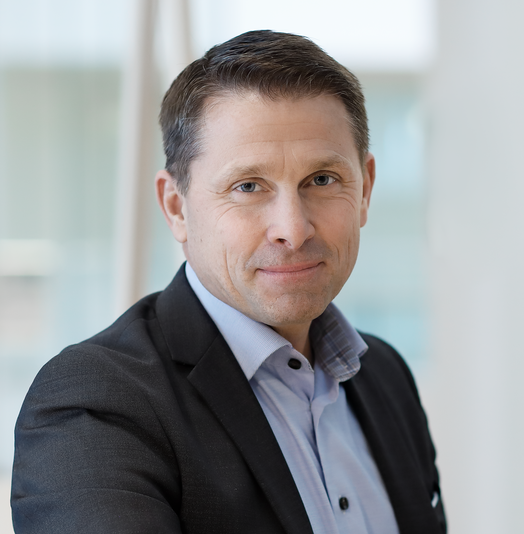
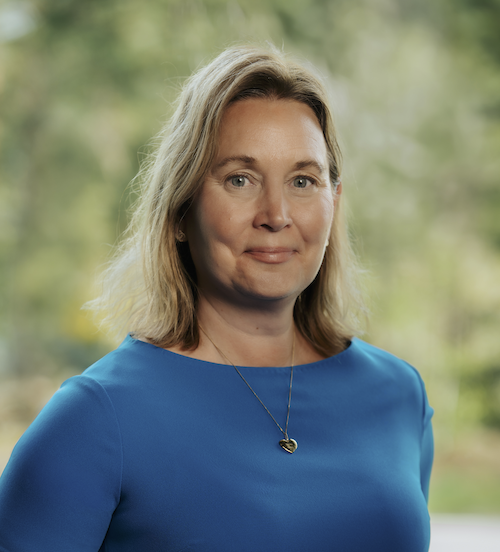
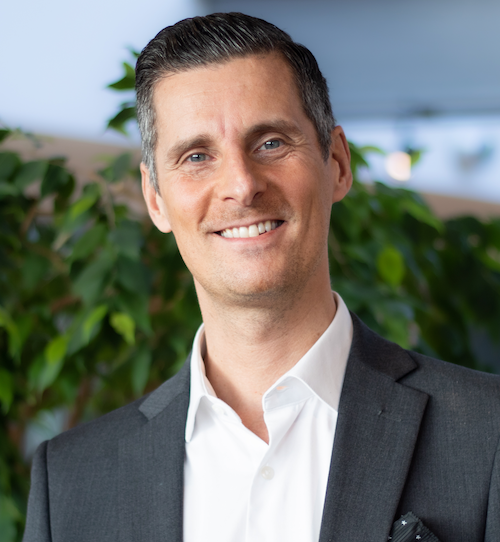
Björn, Anna and Johan sit on the jury for the Nordic CPO Award — senior procurement leaders evaluating nominees against the conditions they actually operated in. They join CPO Outlook on stage to share what the process surfaced: a clearer picture of what meaningful progress looks like when it’s measured against real constraints rather than ambition, the difference between a function that claims transformation and one that can show it, and an honest read on where the bar actually sits.
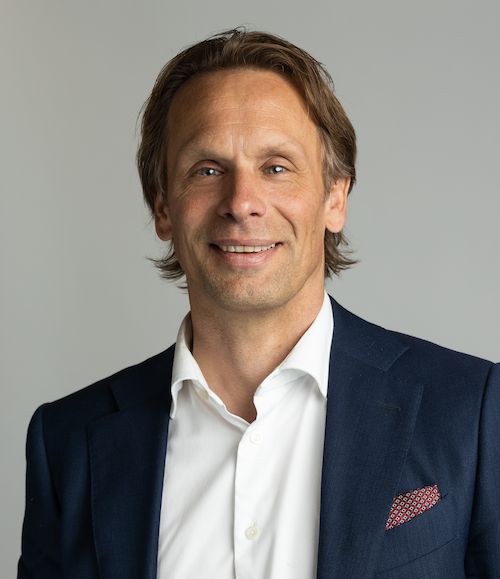
Robert Liljeblad
How the evaluation works — and why the framework matters as much as the verdict
Robert facilitates the jury’s evaluation through the structured framework behind the award. He takes the audience behind the process: how nominations are assessed, how independence and conflicts of interest are handled, and why a transparent method is what gives the result its weight.
Where the real work happens
Day 1 runs on labs — small-room sessions where peers compare design choices in real time rather than follow a fixed playbook. Each lab is hosted by a practitioner working the problem inside their own organisation. More hosts are confirmed in the weeks ahead.
From gate to shaper — designing AI that delivers
Most organisations are past whether to adopt AI; the question is how the function should. EBG’s 2025–2026 procurement surveys show a consistent pattern — most sit at “developing” maturity, few report material hours back, spending is up while outcomes stay modest. This lab puts the CPO-level question on the table: is procurement positioned to ask the design questions early, make the trade-offs visible, and tell the CEO what the function is getting back.

From digitalization to decision-making — designing risk solutions at scale
Orkla has consolidated seven siloed risk processes into one system across 45,000 legal entities — and is now adding AI to triage supplier forms, validate documents and monitor suppliers. This lab compares how the supplier risk process is organised and how AI is applied to manage risk at scale. As Orkla’s own team notes, the field moves fast — this is a room to compare design choices in real time, not a fixed playbook.
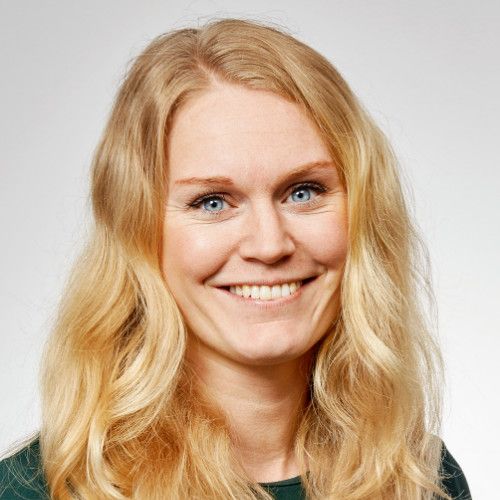

Predictive procurement — building the structure, finding the value
Risk and cost efficiency are now hygiene; the harder conversation is how procurement shows value forward — and what of that value rests on individual depth versus what has to sit in the structure. Dnyanesh built both: a method for predictive risk and resilience written down as a book, and an AI-enabled diagnostic that reads a real contract estate. In one case it flagged a regulatory pricing escalation fifteen weeks before the supplier’s own notification window — terms restructured in time, roughly fifty million dollars in revenue protected. The lab shows the structure and the diagnostic with their actual artefacts, then turns the question to the room.